Carbon for AI
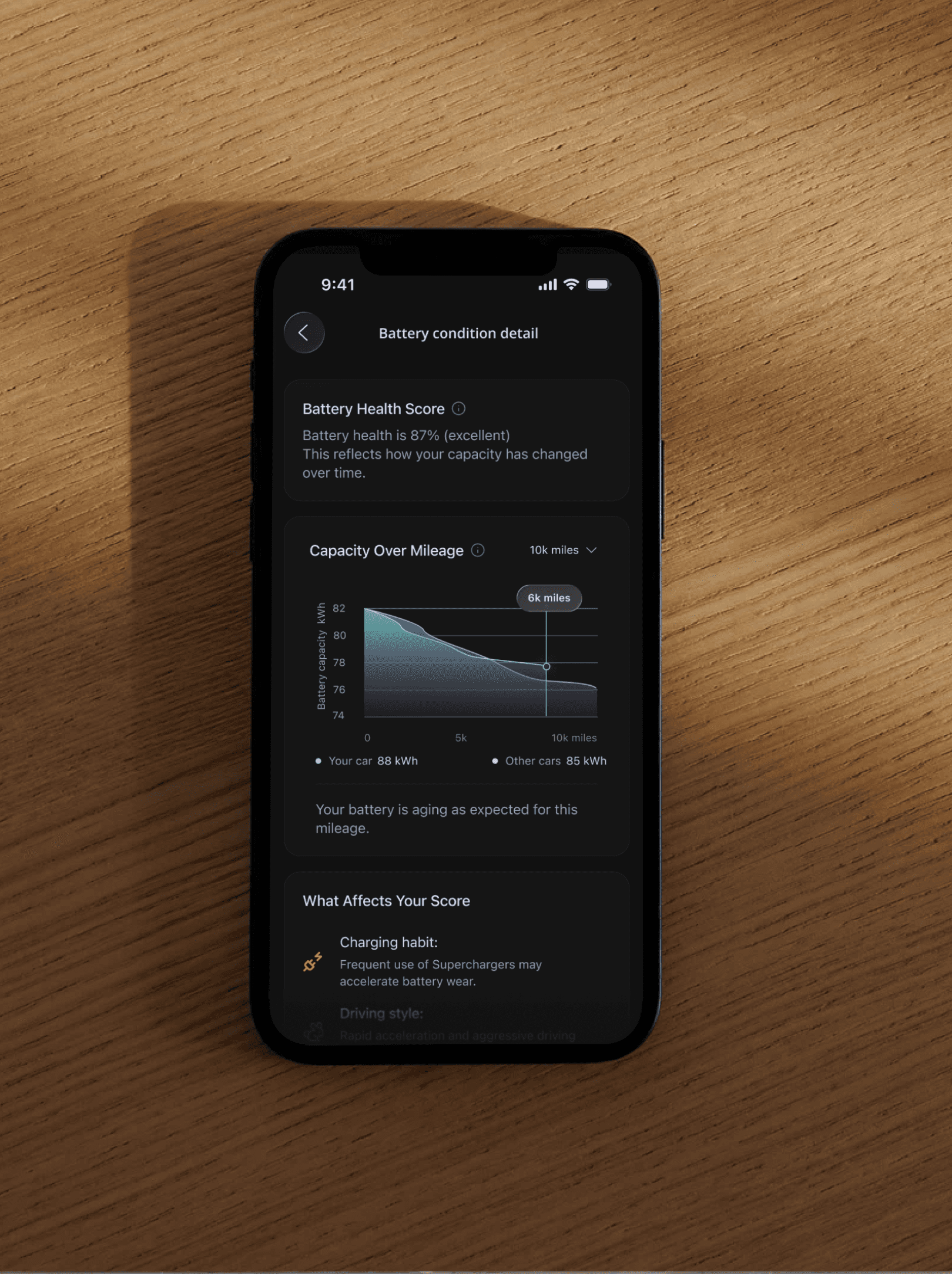
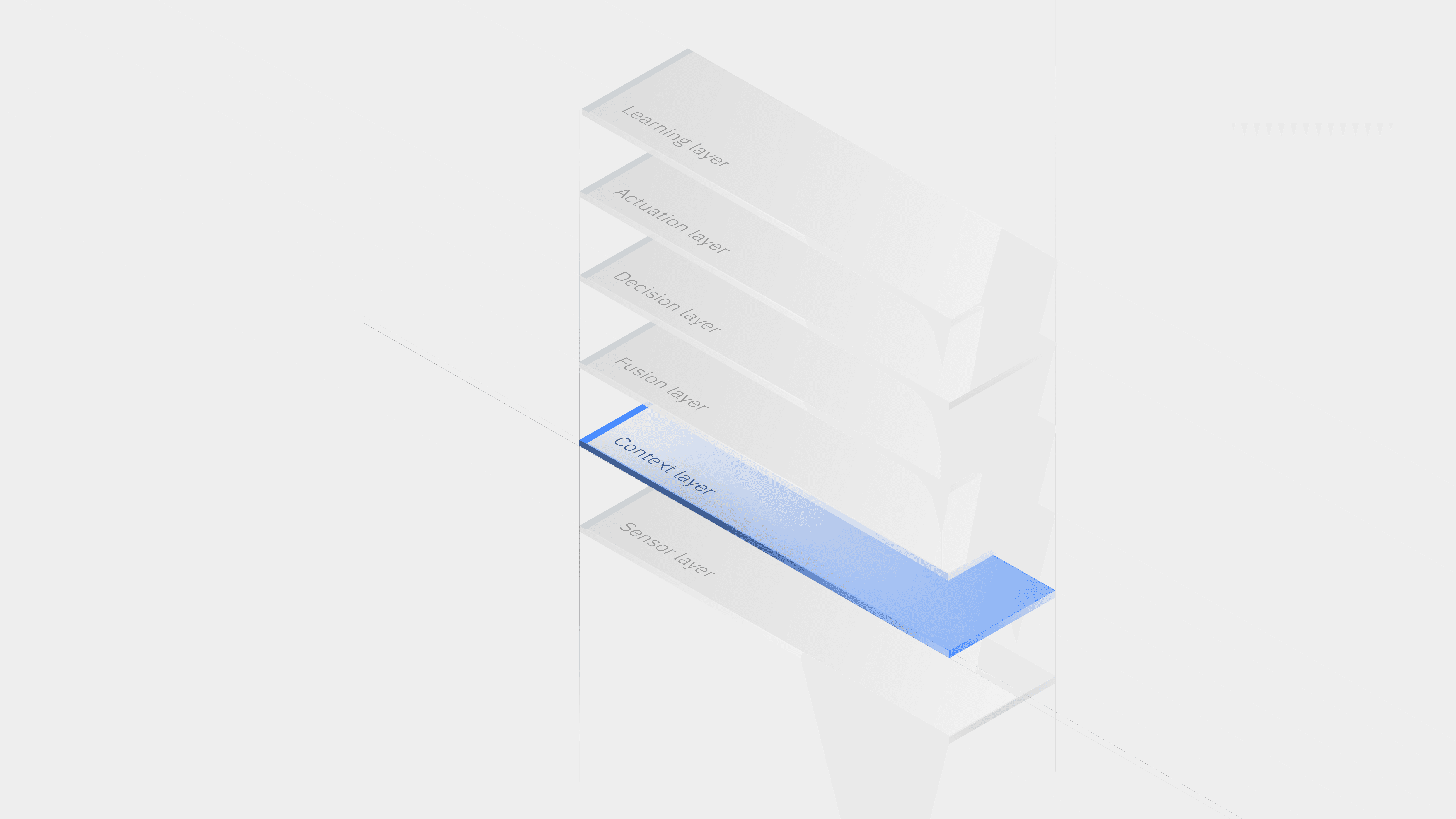
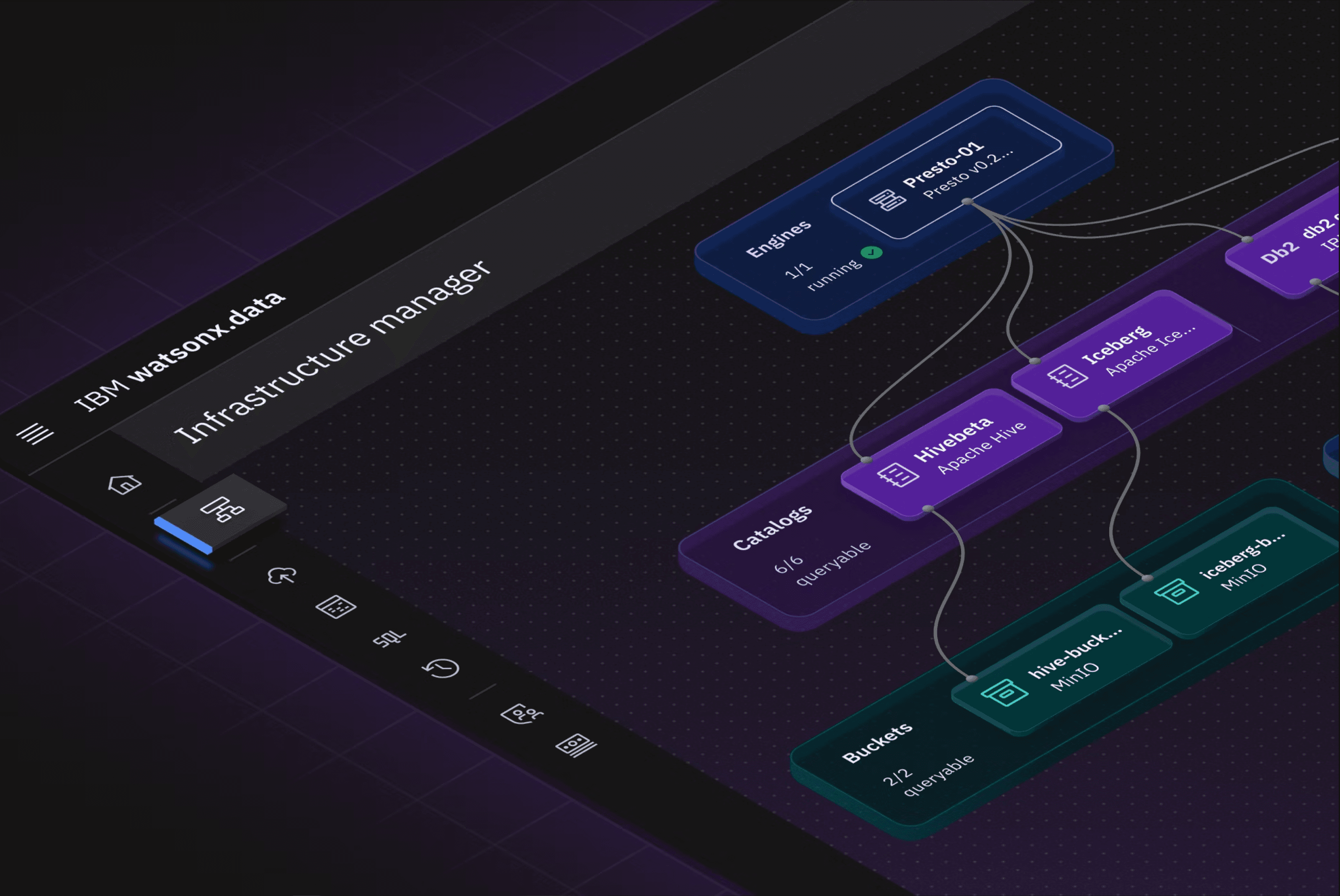
Defined product-level AI interaction patterns for IBM teams building generative AI experiences across watsonx. I focused on how AI communicates reasoning, uncertainty, automation, and user control inside real workflows, turning fragmented implementations from 15+ teams into reusable guidance adopted across IBM’s AI portfolio.
Team
IBM Carbon for AI team
Timeline
2024-2025
Role
Role
Lead Product Designer
Lead Product Designer

The Challenge
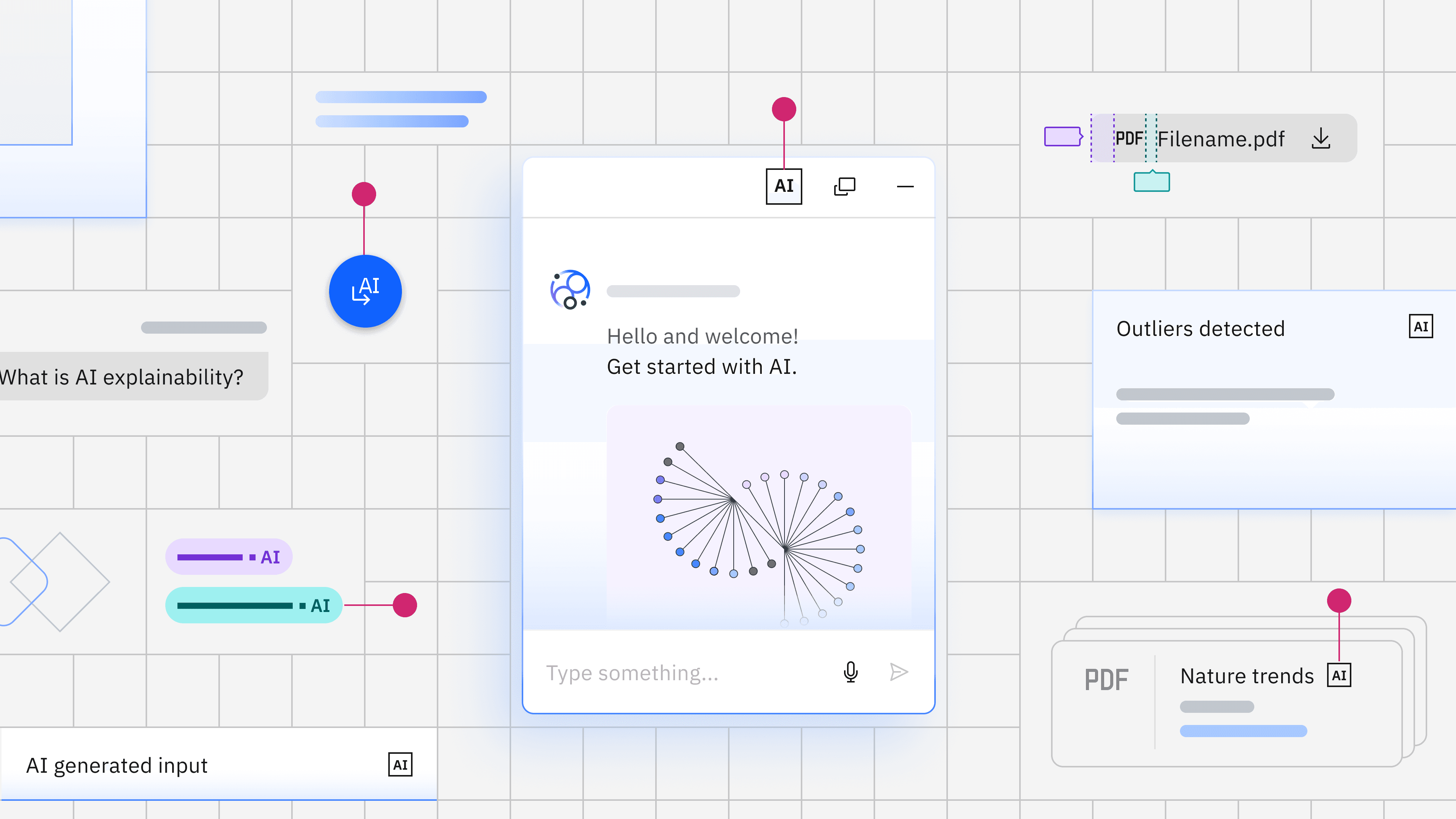
For enterprise users, this inconsistency made it harder to build a reliable mental model of what AI could do, when to trust it, and how to stay in control.
The Challenge
For enterprise users, this inconsistency made it harder to build a reliable mental model of what AI could do, when to trust it, and how to stay in control.
The Approach
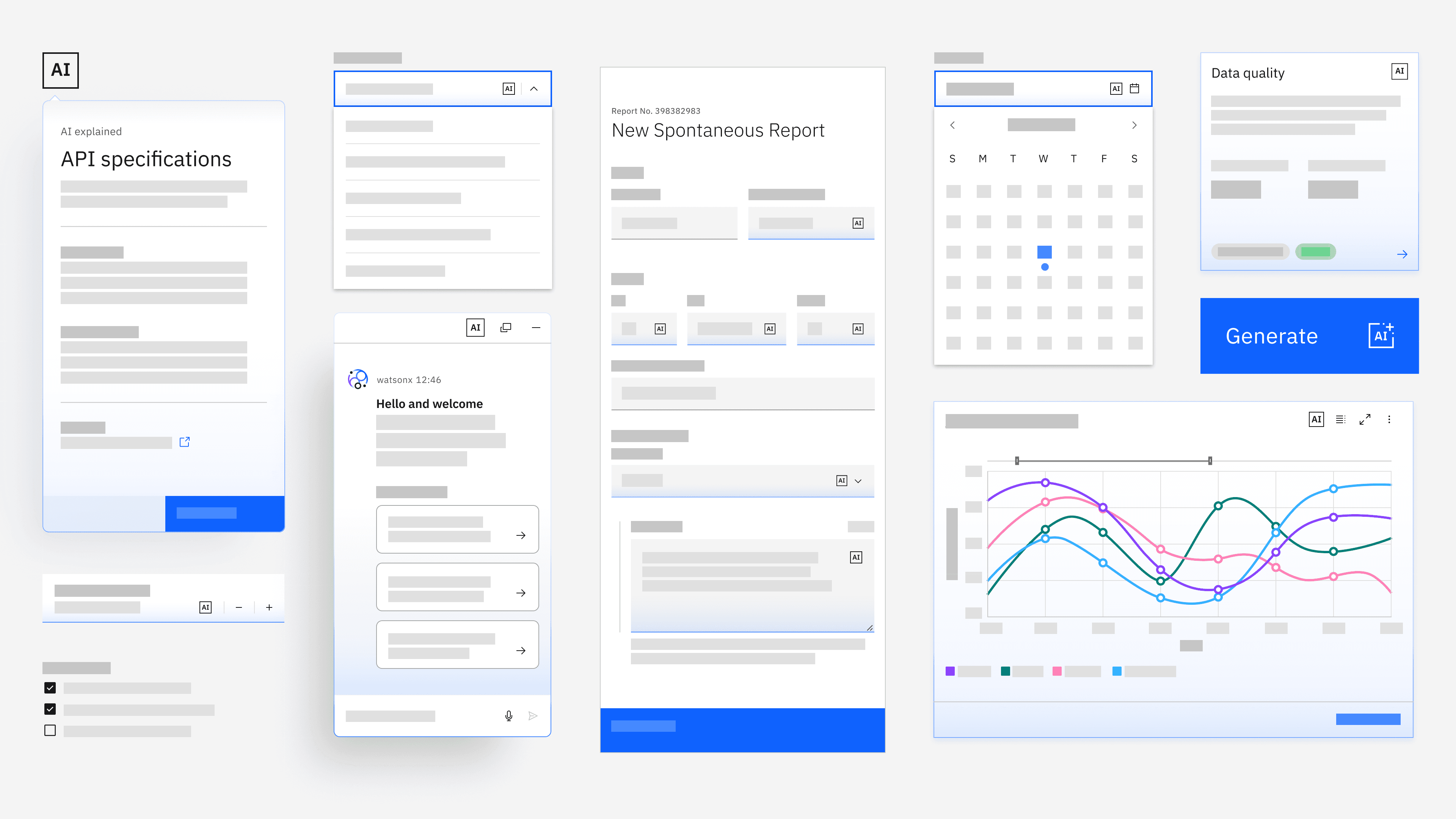
I defined product-level patterns that helped teams integrate AI into workflows more consistently. Teams could adopt these reusable components and customize them for their specific contexts. By identifying the most common friction points across teams, I prioritized three strategic pillars that directly impact AI trust and adoption:
Transparency: How AI explains its reasoning, sources, and confidence.
Automation: How AI helps users move faster while preserving human control.
Workflow Integration: How AI fits into existing tasks instead of becoming a separate destination.
The Approach
I defined product-level patterns that helped teams integrate AI into workflows more consistently. Teams could adopt these reusable components and customize them for their specific contexts. By identifying the most common friction points across teams, I prioritized three strategic pillars that directly impact AI trust and adoption:
Transparency: How AI explains its reasoning, sources, and confidence.
Automation: How AI helps users move faster while preserving human control.
Workflow Integration: How AI fits into existing tasks instead of becoming a separate destination.
Reasoning Transparency
In early research, we found that enterprise users were not only asking whether AI was correct. They were asking how they could verify it before acting on it.
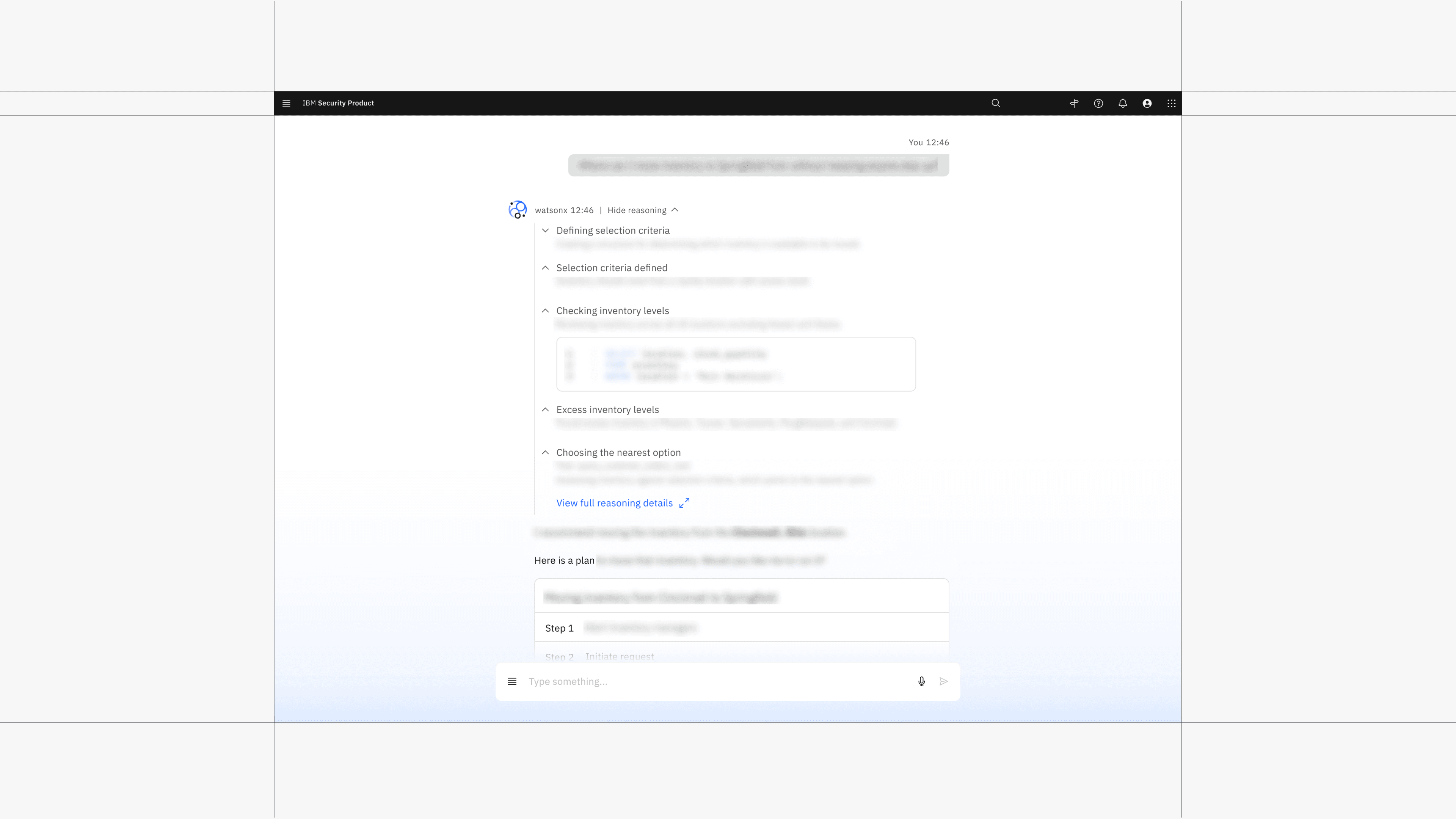
I defined reasoning transparency patterns for enterprise workflows, showing the system’s process, data sources, execution status, and key decisions with enough detail for technical review. Users could expand traces to inspect specific steps, support compliance documentation, and understand where an output came from.
The goal was not to explain every detail by default. It was to give users enough evidence to make informed trust decisions. They could verify when needed while still keeping the efficiency benefits of AI.
In team feedback, the pattern helped users isolate which step or source caused an issue instead of rejecting the entire AI output. This reduced unnecessary rework and made trust calibration more precise.
Reasoning Transparency
In early research, we found that enterprise users were not only asking whether AI was correct. They were asking how they could verify it before acting on it.
I defined reasoning transparency patterns for enterprise workflows, showing the system’s process, data sources, execution status, and key decisions with enough detail for technical review. Users could expand traces to inspect specific steps, support compliance documentation, and understand where an output came from.
The goal was not to explain every detail by default. It was to give users enough evidence to make informed trust decisions. They could verify when needed while still keeping the efficiency benefits of AI.
In team feedback, the pattern helped users isolate which step or source caused an issue instead of rejecting the entire AI output. This reduced unnecessary rework and made trust calibration more precise.
Contextual Automation
Automation in the enterprise is a high-risk activity. Users told us they wanted help with repetitive tasks, but they feared the system making decisions, things like moving budget or changing permissions without their knowledge.
The central design question wasn't 'how much can the AI automate?' it was 'where does human judgment still need to be in the loop, and how do we make that handoff feel natural rather than alarming?
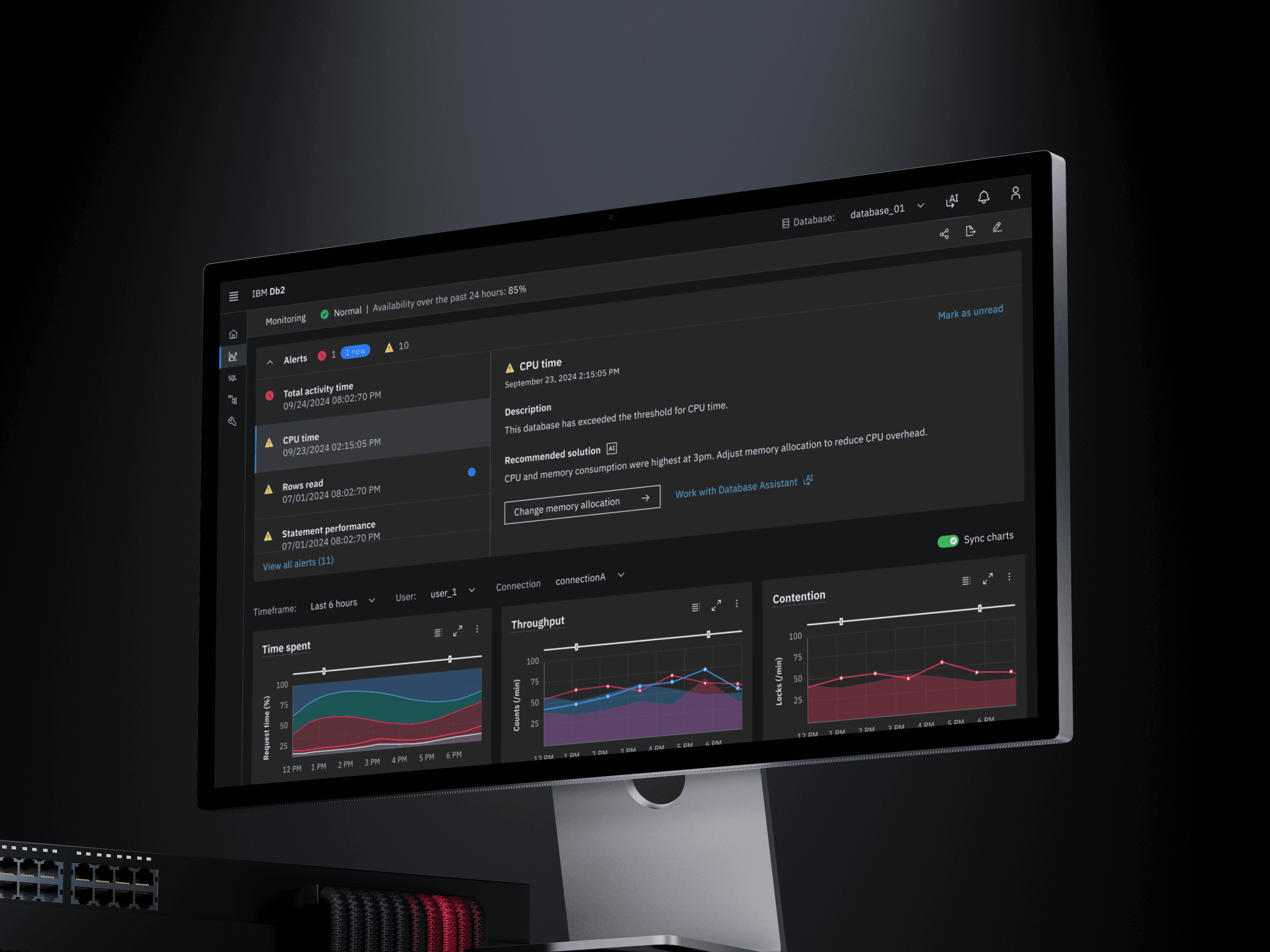
Working with AI architects, I defined automation logic: low-risk, high-confidence tasks automate immediately; high-risk actions loop users in with reasoning, letting them decide whether to automate later. The system learns from patterns over time. This balances efficiency with control. Users handle important decisions while AI manages routine work.
Product teams found the risk framework helped users feel in control, they automated low-risk tasks while maintaining oversight of critical decisions.
Contextual Automation
Automation in the enterprise is a high-risk activity. Users told us they wanted help with repetitive tasks, but they feared the system making decisions, things like moving budget or changing permissions without their knowledge.
The central design question wasn't 'how much can the AI automate?' it was 'where does human judgment still need to be in the loop, and how do we make that handoff feel natural rather than alarming?
Working with AI architects, I defined automation logic: low-risk, high-confidence tasks automate immediately; high-risk actions loop users in with reasoning, letting them decide whether to automate later. The system learns from patterns over time. This balances efficiency with control. Users handle important decisions while AI manages routine work.
Product teams found the risk framework helped users feel in control, they automated low-risk tasks while maintaining oversight of critical decisions.
Workspace Integration Patterns
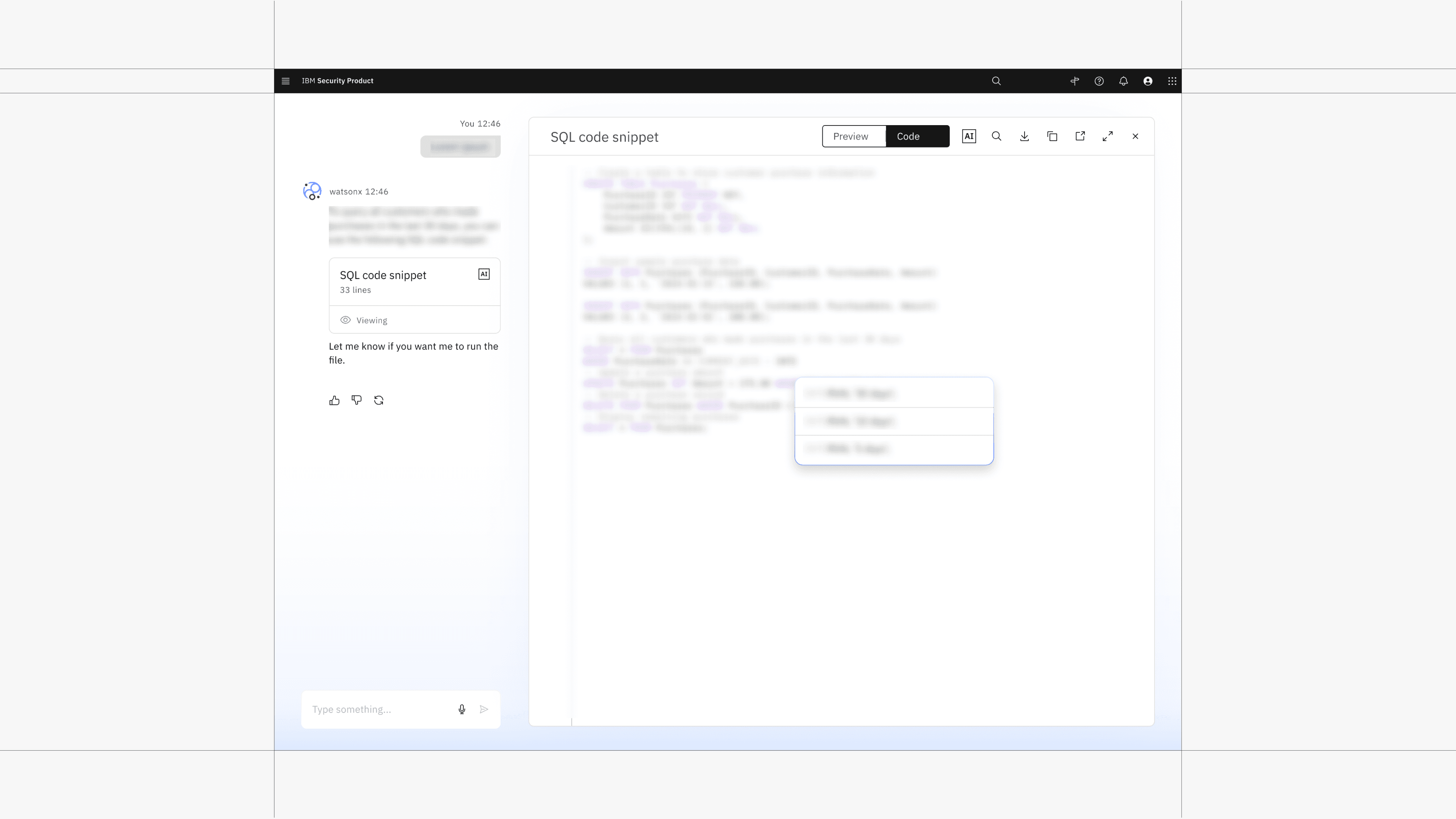
Most AI tools rely on a general chat sidebar. But IBM users work in highly specialized environments like code editors or data dashboards. Forcing them to move between a sidebar and their primary workspace was causing significant context-switching fatigue.
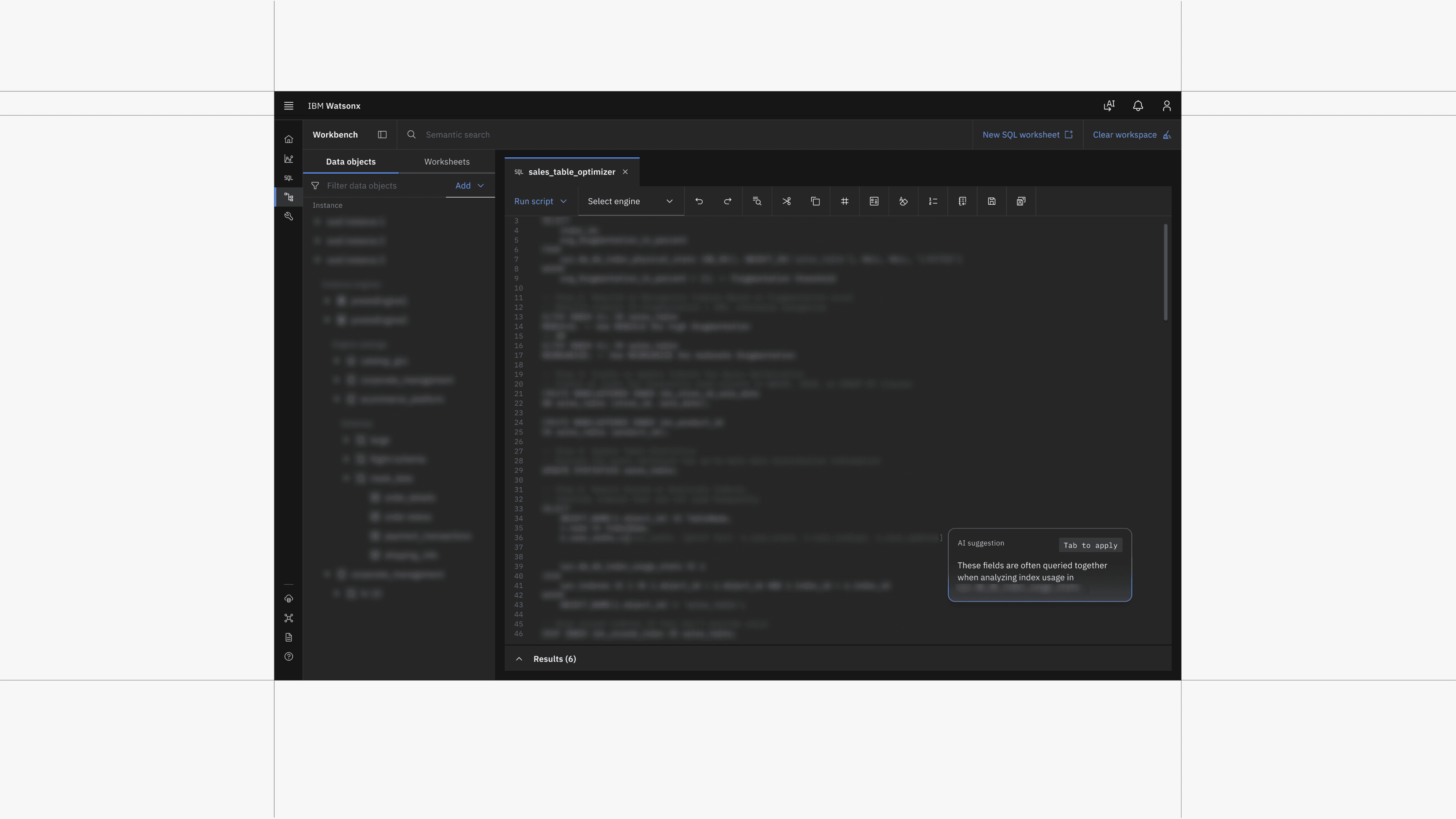
I designed workspace collaboration patterns where AI integrates directly into editing contexts. Users work on their content, AI suggestions appear inline where they're working, they can accept or modify without leaving their flow. AI becomes part of the workspace rather than a separate tool.
Teams reported inline suggestions reduced context-switching, keeping users focused on their content rather than bouncing between tools.
Workspace Integration Patterns
Most AI tools rely on a general chat sidebar. But IBM users work in highly specialized environments like code editors or data dashboards. Forcing them to move between a sidebar and their primary workspace was causing significant context-switching fatigue.
I designed workspace collaboration patterns where AI integrates directly into editing contexts. Users work on their content, AI suggestions appear inline where they're working, they can accept or modify without leaving their flow. AI becomes part of the workspace rather than a separate tool.
Teams reported inline suggestions reduced context-switching, keeping users focused on their content rather than bouncing between tools.
Process
I managed the lifecycle of these patterns through a collaborative approach:
Identifying common needs
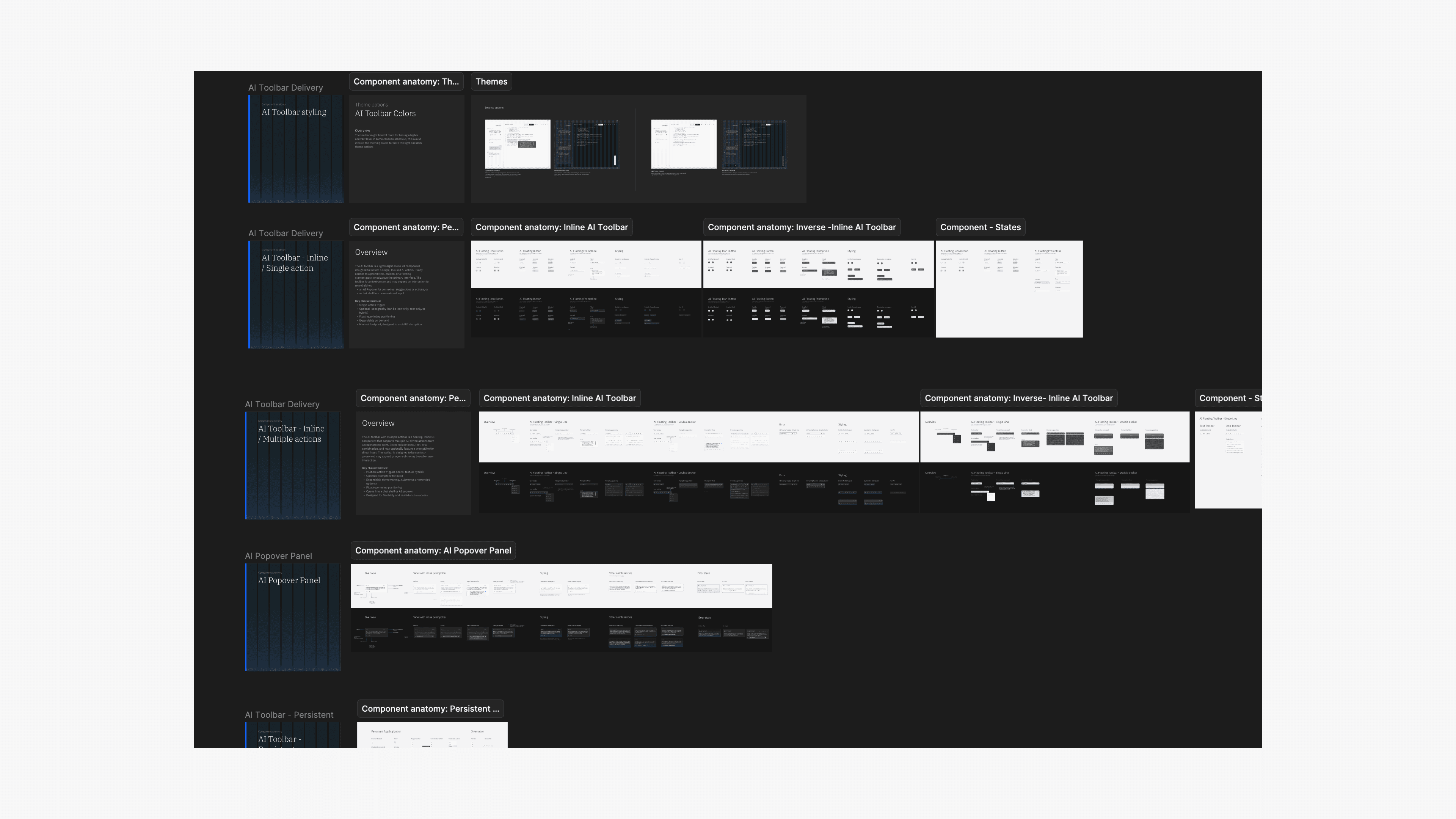
Facilitated office hours where product teams shared AI collaboration challenges. When multiple teams faced similar problems, I consolidated requirements.
Creating unified patterns
Researched how consumer AI tools (ChatGPT, Claude) handled collaboration, synthesized best practices, and created patterns that worked across IBM's product contexts.
Adoption through value
Teams chose patterns because consolidated solutions worked better than building independently. Patterns released in products across the portfolio.
Process
I managed the lifecycle of these patterns through a collaborative approach:
Identifying common needs
Facilitated office hours where product teams shared AI collaboration challenges. When multiple teams faced similar problems, I consolidated requirements.
Creating unified patterns
Researched how consumer AI tools (ChatGPT, Claude) handled collaboration, synthesized best practices, and created patterns that worked across IBM's product contexts.
Adoption through value
Teams chose patterns because consolidated solutions worked better than building independently. Patterns released in products across the portfolio.
Process
I managed the lifecycle of these patterns through a collaborative approach:
Identifying common needs
Facilitated office hours where product teams shared AI collaboration challenges. When multiple teams faced similar problems, I consolidated requirements.
Creating unified patterns
Researched how consumer AI tools (ChatGPT, Claude) handled collaboration, synthesized best practices, and created patterns that worked across IBM's product contexts.
Adoption through value
Teams chose patterns because consolidated solutions worked better than building independently. Patterns released in products across the portfolio.
Impact
15+ product teams adopted unified patterns across IBM's AI portfolio
Reduced development time: Worked with Carbon developers to build reusable pattern structure - teams implemented patterns instead of building from scratch
Prevented duplicate work: Office hours identified teams solving similar problems, connected them to collaborate and share code
Released in products: Teams shipped using these patterns (patterns widely used though not yet published on Carbon website)
Team recognition: We won Core77, Red Dot, and iF Design Award
Impact
15+ product teams adopted unified patterns across IBM's AI portfolio
Reduced development time: Worked with Carbon developers to build reusable pattern structure - teams implemented patterns instead of building from scratch
Prevented duplicate work: Office hours identified teams solving similar problems, connected them to collaborate and share code
Released in products: Teams shipped using these patterns (patterns widely used though not yet published on Carbon website)
Team recognition: We won Core77, Red Dot, and iF Design Award
Other Cases
Other Cases